


Full diagnostic dyslexia assessments for children (8+).
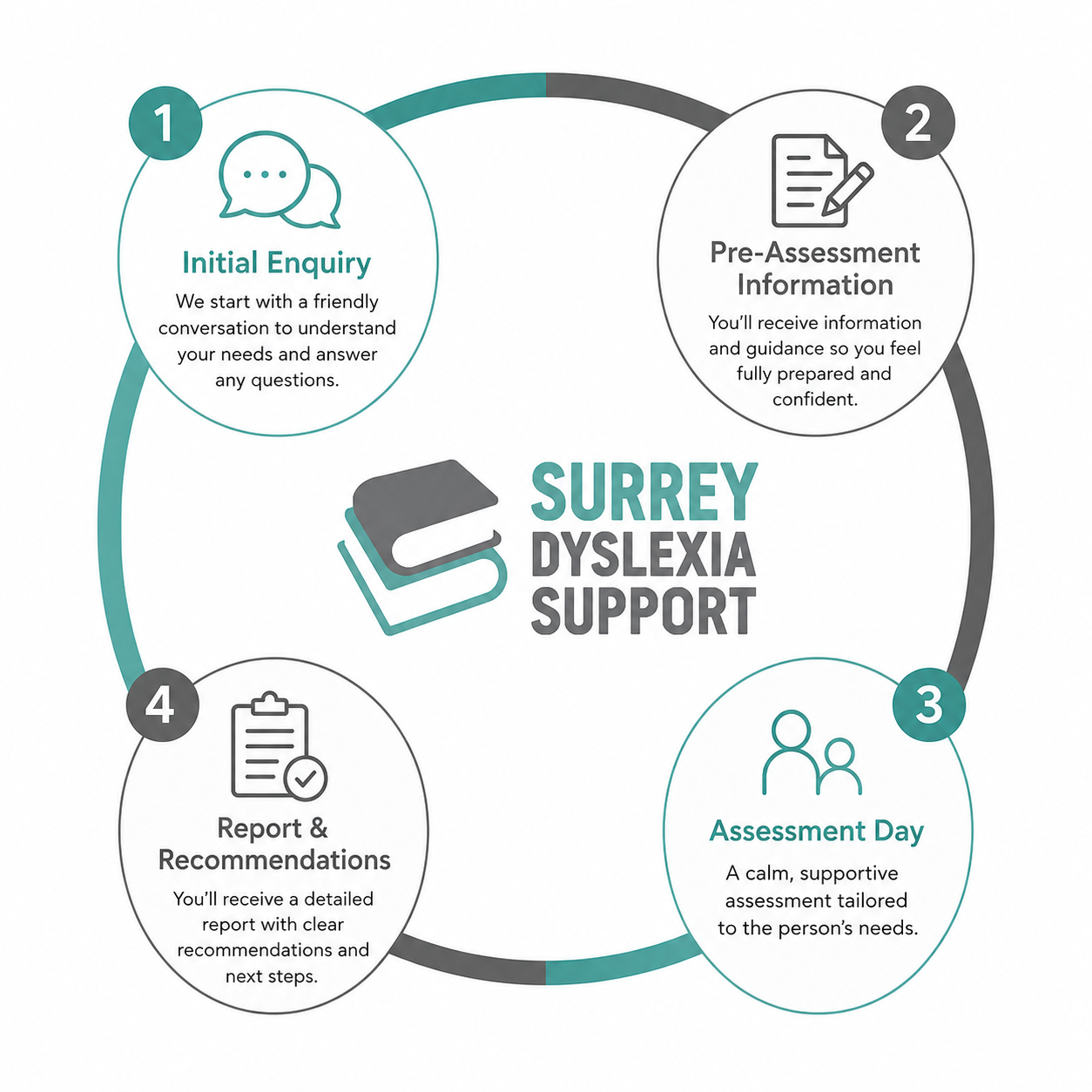
What this assessment gives you
A full diagnostic assessment gives you a clear, evidence-based understanding of your child’s learning profile, including strengths and areas of difficulty.
It typically includes:
A detailed breakdown of your child’s unique cognitive and literacy profile.
Clear explanations of why specific difficulties are occurring.
A formal diagnosis of dyslexia where appropriate.
Resource suggestions and practical strategies that can be used at home and in school.
What the assessment feels like for your child
The assessment is designed to be calm, supportive and non-threatening. It is not a pass/fail test.
Breaks are used to support concentration and motivation. Children are welcome to bring a fiddle toy or favourite cuddly toy.
After the assessment
Following the assessment, you will receive a detailed written report.
The report is written in clear, accessible language so that:
Parents can understand the findings easily.
Teachers can implement recommendations immediately.
Children can understand their own learning profile.
If needed, you can also discuss the results afterwards in a complementary feedback session to help you understand the findings and recommendations in more detail.
How an assessment helps in everyday life
The assessment is designed to translate findings into practical support, such as:
Classroom strategies to support memory and processing.
Multisensory strategies to support reading and spelling.
Tools and technologies that improve independence.
Advice for homework, revision and exams.
Why a formal assessment matters
A formal assessment provides recognised evidence that can be used for educational support, exam access arrangements (if agreed by the school/college in advance), and funding applications such as Disabled Students Allowance. It also ensures that any support put in place is based on a clear and accurate understanding of the individual’s needs.
Fees
Full diagnostic dyslexia assessment: £525
£100 deposit required to book
Instalment payments available
Includes pre-assessment discussion, full assessment (up to 3 hours), initial feedback, detailed report and further feedback if required.

“What truly sets Rebecca apart is her ongoing kindness and dedication. She has gone above and beyond, generously giving her time and offering thoughtful guidance to help our daughter move forward. We are so grateful for her compassion, expertise, and commitment. She has made a real difference in our lives, and we cannot thank her enough.”
Parent of a Year 6 child